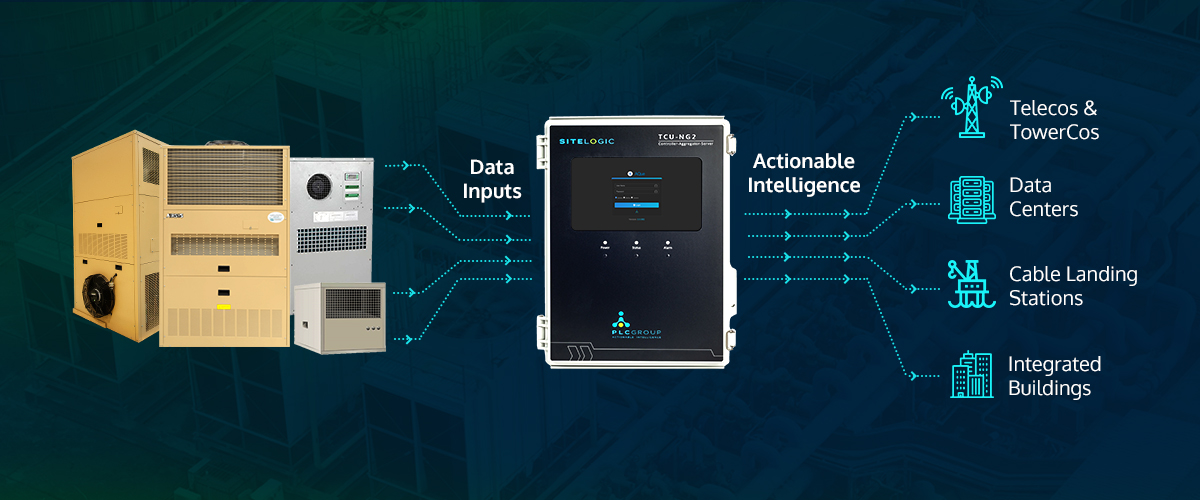
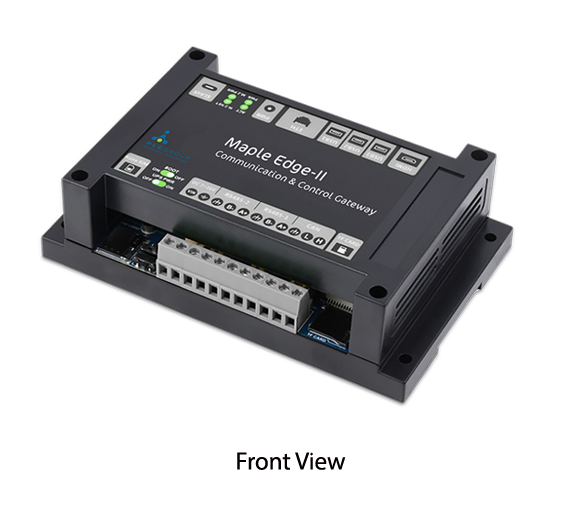
Reliable energy performance depends on precise monitoring, accurate data, and intelligent control. At PLC Group, we develop integrated renewable energy monitoring solutions that seamlessly connect with distributed power assets to enhance visibility, efficiency, and sustainability. Our systems combine smart sensors, advanced controllers, and data-driven analytics platforms to track energy generation, consumption, and performance across renewable assets. This unified framework supports operational reliability, regulatory compliance, and long-term sustainability goals across complex energy infrastructures.
Renewable power systems like solar farms, wind turbines, and hybrid grids require consistent oversight to ensure peak performance. Without detailed monitoring, organizations face production irregularities and increased maintenance costs.

PLC Group’s monitoring framework delivers:
These features ensure improved uptime and informed operational decision-making.
Our actionable intelligence (AxIn) platform helps operators enhance power generation and asset utilization. The system processes real-time and historical data to forecast energy output, streamline maintenance, and optimize load balancing.
Core features include:
Through accurate forecasting and automation, PLC Group enables energy operators to maintain stability, efficiency, and scalability across renewable operations.
PLC Group’s solution for renewable energy supports complete lifecycle visibility across all renewable energy components. It consolidates asset health, operational trends, and performance metrics into a unified system for strategic management.
Key capabilities include:
This unified asset intelligence allows operators to improve forecasting accuracy and maintain consistent performance across renewable portfolios.
PLC Group’s renewable energy management solution connects environmental, operational, and financial data to provide measurable insights into carbon reduction and energy efficiency.
Key functions include:
This system supports continuous improvement in energy accountability while reinforcing organizational sustainability objectives.
Our solutions for the energy industry integrate AI-driven analytics, robust control systems, and real-time data visibility. PLC Group’s technology architecture is adaptable for utilities, telecom networks, and renewable energy infrastructures requiring high reliability.
Distinct advantages include:
We combine engineering precision and digital intelligence to enhance operational resilience and sustainability.
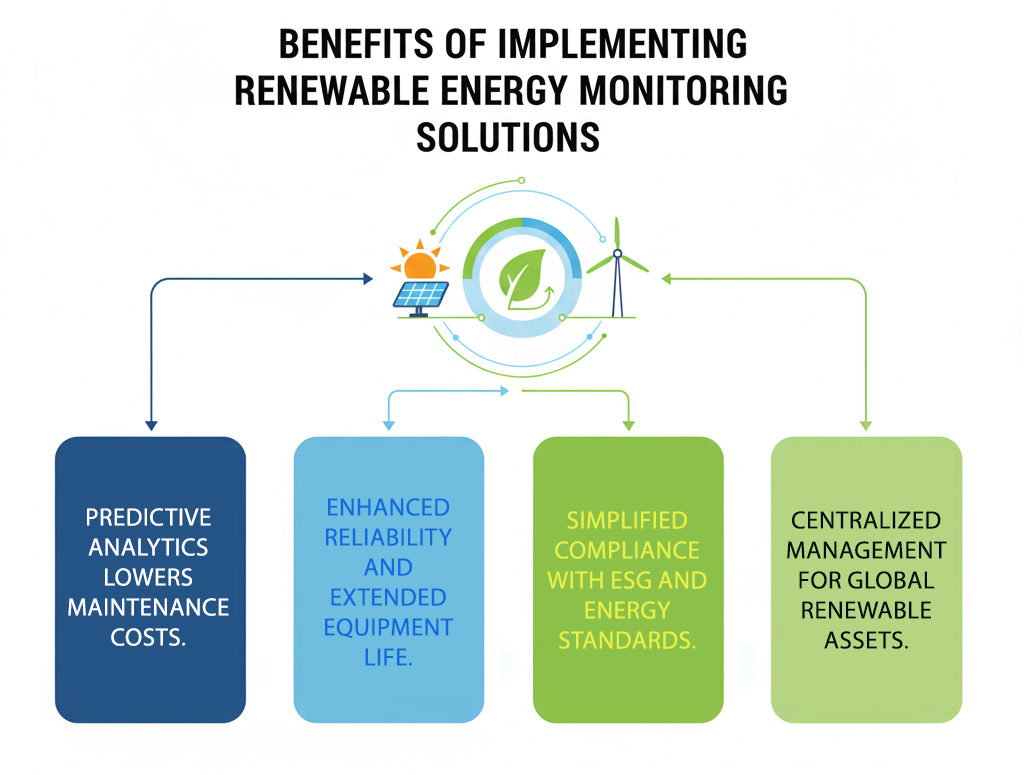
PLC Group’s integrated ecosystem of renewable energy monitoring solutions helps organizations manage their energy assets more efficiently. By combining automation, analytics, and advanced control architecture, our platforms transform data into operational intelligence.
We enable renewable energy operators to minimize downtime, improve yield, and strengthen sustainability performance.
Contact PLC Group to learn how our software solutions for the energy industry can help optimize your renewable energy infrastructure and drive measurable long-term results.

The system consolidates performance data from solar, wind, and hybrid assets into a single interface, enabling centralized control and real-time visibility across global renewable facilities.
Operators gain continuous insights into energy generation, equipment efficiency, and load distribution through predictive analytics and automated reporting, reducing downtime and improving energy yield.
Yes. It connects seamlessly with SCADA, PLC, and IoT platforms using Modbus, SNMP, BACnet, and MQTT protocols, ensuring full interoperability without replacing existing infrastructure.
All platforms feature encrypted communication, multi-layer authentication, and compliance with IEC 62351 and NERC-CIP cybersecurity standards for critical infrastructure protection.
Through redundancy support, real-time alerts, and AI-driven diagnostics, the platform maintains continuous operation and prevents performance degradation before it affects output.
Clients typically achieve improved uptime, optimized maintenance cycles, lower energy losses, and demonstrable sustainability gains through unified data management and automation.